Blog Post #2 – Cooperative Learning
I decided to choose a cooperative learning approach to learning environments. Cooperative learning is an instructional approach in which students work together in structured small groups to work towards shared learning goals. Rather than learning independently, students engage in discussion, problem-solving, and collaboration to build understanding together. This approach emphasizes active participation and shared responsibility, allowing learners to take an active role in constructing knowledge instead of passively receiving information (University of Guelph Office of Teaching and Learning, 2021).
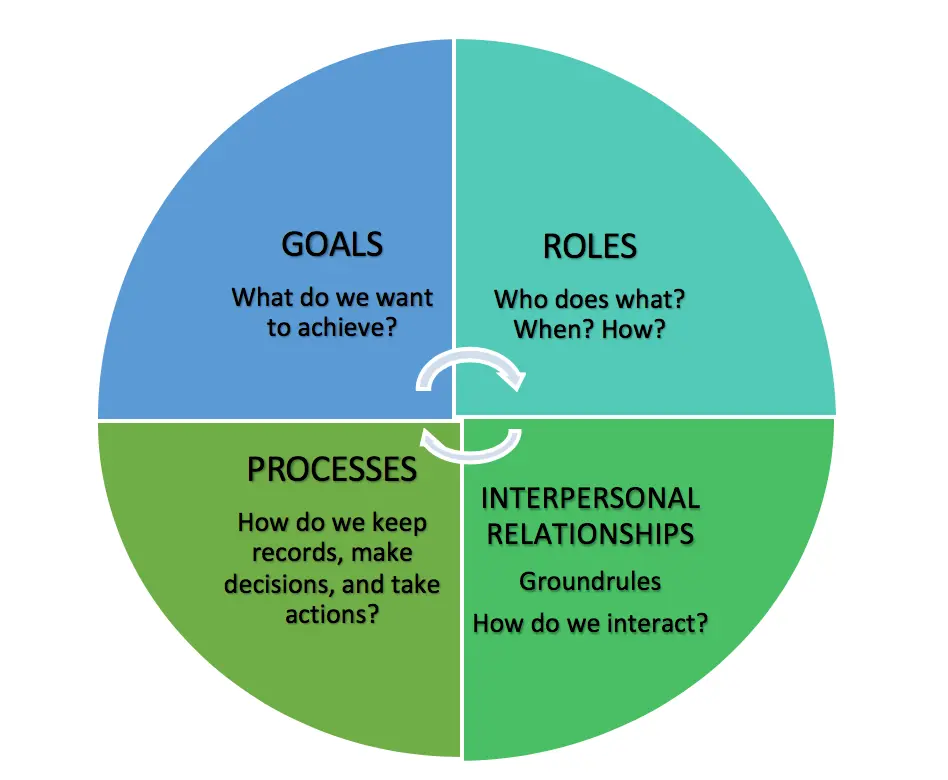
A key feature of cooperative learning is positive interdependence, where students work toward a common goal and rely on one another to succeed. Individual accountability ensures that each group member contributes meaningfully to the task, preventing disengagement. Face-to-face interaction encourages students to explain their thinking, ask questions, and clarify misunderstandings, while reflection allows groups to evaluate both what they learned and how they worked together (University of Guelph Office of Teaching and Learning, 2021).
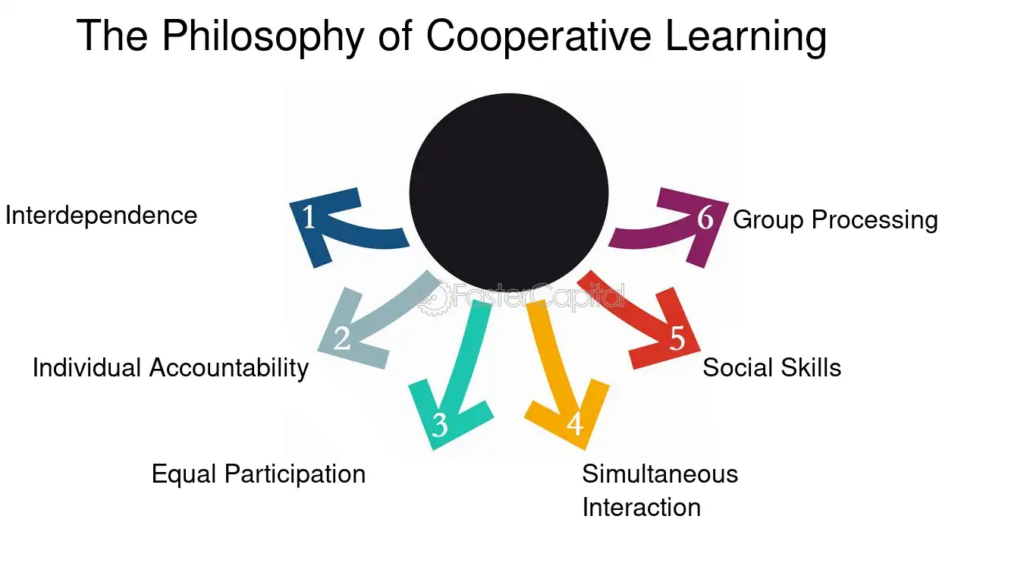
Cooperative learning is particularly effective for middle school students, who benefit from opportunities to develop communication, collaboration, and social awareness skills. This approach supports diverse learners by allowing students to contribute in different ways and learn from peers with varying perspectives. Research suggests that cooperative learning can improve motivation, confidence, and academic engagement by creating an environment where students feel supported and involved in the learning process (University of Cincinnati, 2024).
Cooperative learning fits well with the topic of the bystander effect and has an important place in my group’s final Interactive Learning Design. Since the bystander effect is influenced by group situations, learning about it through cooperative activities like role-playing and group discussion helps students see how these situations work in real life. Working in small groups encourages students to think about how their choices are affected by others and how responsibility can be shared in a group. Hearing different perspectives also helps students better understand why people may hesitate to act. Through discussion and reflection, students can connect what they learn to everyday situations and think about ways they can become more active bystanders. This makes the learning experience more meaningful and relevant for middle school students.
References
University of Cincinnati. (2024, December). Why is cooperative learning important in education?
https://www.uc.edu/news/articles/2024/12/why-is-cooperative-learning-important-in-education.html
University of Guelph Office of Teaching and Learning. (2021). Engaging students through active learning.
https://otl.uoguelph.ca/teaching-assessment-resources/browse-sotl-snapshots/engaging-students-through-active-learning-0
This is a really great explanation of cooperative learning and how it connects to our topic about the bystander effect. You did a great job explaining positive interdependence, and how it can have a positive effect on learning. I was also interested to read about how it can have an influence on middle school kids, and agree that children that age benefit from communication, social awareness and working with others. I agree that this fits very well with our topic and will have a key place in our Interactive Learning Design. Using role-play and group discussion to explore how responsibility is diffused in group settings feels like a good fit. It will not only help teach concepts, but also lets the students understand and experience the bystander effect in real situations. Very engaging read!